
When the Clock Keeps Trucking
A tractor-trailer develops a mechanical problem while moving freight along the I-20 corridor. The driver reaches a stopping point and calls for Eastaboga towing. From that moment, the load may be still, but wages, delivery windows, and dispatch work continue. The rig stopped, but the clock keeps on trucking. That’s a high-pressure situation.
We see small roadside problems grow very quickly into larger scheduling issues:
one disabled vehicle can pull another tractor off its route. A warehouse may need to change its receiving plan. The driver may lose enough working hours that the load cannot finish that day.
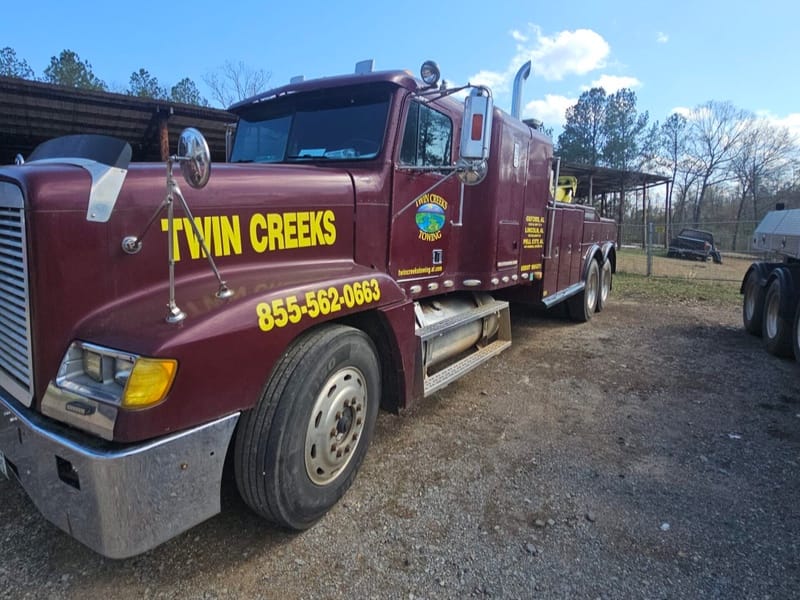
Downtime Has Several Price Tags
The towing charge is easy to identify. Missed appointments, driver detention, replacement equipment, and overnight storage may be harder to track. Those costs often appear after the truck has already reached the repair facility.
Cargo adds another layer. A shifted load may need correction. Perishable freight needs continued monitoring. A loaded trailer with damaged landing gear may require extra equipment before another tractor can take it.
The First Phone Call Shapes the Response
We ask for the exact location, direction of travel, truck type, trailer size, and visible damage. We also need to know whether the unit is on pavement, down a slope, or blocking part of the road. Those details decide which truck leaves our yard. Cargo weight and axle condition matter too, especially if the trailer is loaded or leaning. A locked wheel, damaged suspension part, or failed landing gear can change the entire setup.
Good dispatch avoids the common problem of sending a light unit to a heavy call. It also helps us bring the rigging, service tools, or second truck the scene may require. Photos from the driver can save valuable time before we arrive. The better the information, the fewer surprises we face at the shoulder.Recovery Decisions Affect the Remaining Route
Some towing calls involve moving the tractor and trailer together. Others require a tractor swap, trailer separation, or cargo work first. The best choice depends on what failed and where the load needs to go.
A fleet may need to consider:
- Driver hours left for the day
- Trailer condition
- Cargo stability
- Repair shop availability
- Delivery rescheduling
- Replacement equipment
The repair destination matters before the tow begins. Eastaboga towing can lose more time if the chosen shop lacks room for a loaded combination unit.
Breakdowns Always Bring Pressure
The I-20 corridor carries local traffic and long-distance freight through Northeast Alabama. That means an Eastaboga towing call may involve a driver who is hundreds of miles from the company yard. Dispatch may need to coordinate with a fleet office in another state.
Road position also changes the job. During Eastaboga towing, we look at shoulder width, traffic, truck weight, and cargo before setting up. A commercial breakdown beside moving traffic needs a different response from a truck sitting in an open lot.
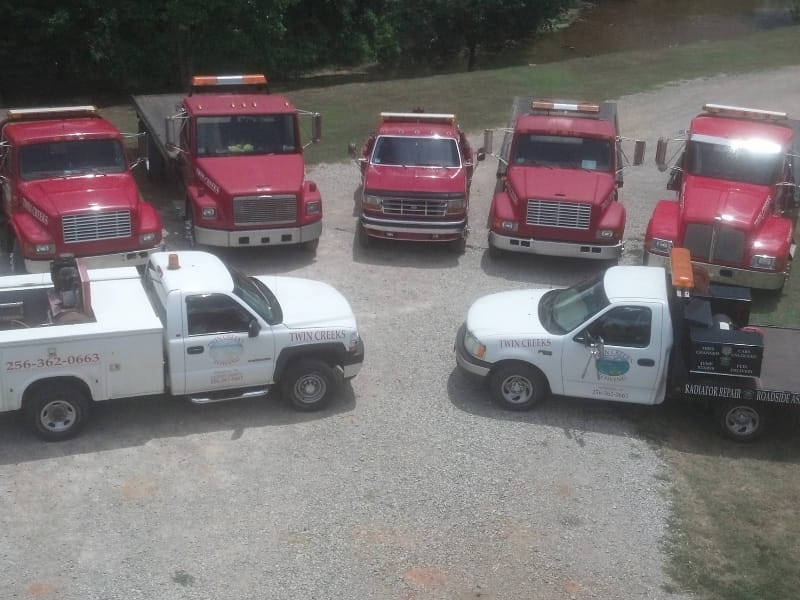
Twin Creeks Towing Keeps Eastaboga Towing Practical
Twin Creeks Towing has served drivers across Northeast Alabama since 2008. Our Eastaboga towing work includes light, medium, and heavy-duty towing, semi recovery, rollback service, and roadside help from stocked service trucks.
We cover the I-20 corridor and surrounding parts of Talladega, Calhoun, and St. Clair counties. Every Eastaboga towing response starts with clear communication and a truck matched to the call. Sometimes the fastest route back to work is a roadside fix. Other times, the tractor, trailer, or full combination needs a heavy tow.
FAQs
Can a loaded tractor-trailer be towed without unloading it?
Often, yes. The towing company must confirm the combined weight, cargo stability, axle condition, and equipment limits before moving it.
What happens if a truck cannot reach its delivery appointment?
The fleet or broker usually contacts the receiver to arrange a later window. Some facilities charge fees or require the load to return another day. A replacement tractor may keep the delivery on schedule.
Can a roadside mechanic fix a semi without towing it?
Some battery, tire, air-line, and minor mechanical problems can be repaired on scene.
Why does the tow company need to know what the trailer carries?
Cargo type and weight affect the recovery plan. Refrigerated, hazardous, or shifted freight may require added equipment or coordination.
Can another tractor pick up the trailer after a breakdown?
Yes, if the trailer is stable and the landing gear, brakes, and connection points are usable. The disabled tractor may need to be separated first. Damaged or shifted equipment can delay the swap.
How do fleets reduce downtime after a roadside failure?
They provide clear location and vehicle details, confirm the repair destination, and prepare a backup plan for the load. Photos from the scene can also help dispatch choose the right equipment.