The Work You Don’t See
We see it all the time. One disabled truck, one missed delivery window, and suddenly a whole schedule starts slipping. That’s when our Lincoln heavy towing team quietly steps in, usually before most people have had their first cup of coffee. Local industry around here runs on timing more than anything else. When that timing gets thrown off, everything behind it has to adjust.
But things can’t stop just because something breaks down. Deliveries still need to get delivered. Crews still need to clock in. And when a piece of equipment or a truck goes down, it’s rarely convenient or a quick to fix on the spot. We need to keep Lincoln running.
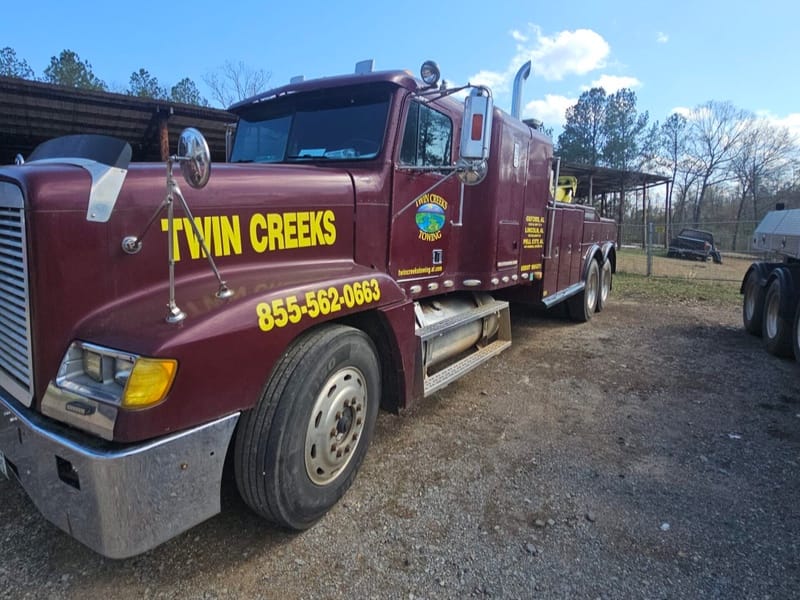
When One Truck Stops, Everything Behind It Slows Down
We’ve seen it plenty of times. A disabled semi doesn’t just affect that one driver. It backs up traffic, delays shipments, and throws off schedules for a whole chain of people who never even see the breakdown.
A lot of our local industry depends on timing. Construction crews waiting on materials, farms moving product, small businesses expecting deliveries before noon. When something blocks that flow, it doesn’t take long before the ripple spreads.
The Hidden Delays That Add Up
A stalled vehicle isn’t always dramatic. Sometimes it’s a blown tire on a loaded trailer or a hydraulic issue on a dump truck.
But here’s what we usually deal with after arriving:
- Freight that needs to be shifted before towing
- Tight roadside space with traffic still moving, especially along I-20 and nearby routes
- Equipment that weighs more than expected
- Drivers stressed and trying to meet deadlines
All of that adds time. And time matters more than people think.
Not Every Tow Is About an Accident
Many assume heavy towing is mostly crash recovery. Truth is, a good chunk of our work comes from mechanical failures, wrong turns into tight lots, or equipment that just won’t start at the worst possible time.
We’ve pulled loaded trailers out of muddy job sites after a stretch of Alabama rain. We’ve repositioned machinery that couldn’t make a turn near older buildings and smaller industrial areas around Lincoln. There are plenty of spots where space gets tight fast.
Tight Spaces, Real Problems
Some areas weren’t built with modern trucks in mind. Narrow access roads, uneven gravel lots, and tight turns off main roads.
We’ve had jobs where we spent more time figuring out how to get in and out than actually hooking up the vehicle. That’s part of Lincoln heavy towing that people don’t really see.
It’s not just strength. It’s planning in the moment.
Weather Plays a Bigger Role Than You’d Expect
Alabama weather brings its own problems. Heavy rain, slick clay ground, sudden storms. It all changes how we approach a job.
A simple recovery in dry conditions can turn into a longer process when the ground gives out under the weight or visibility drops during a storm.
We’ve had mornings where overnight rain turned a routine pull into a slow, careful job just to keep the truck from sinking deeper. That’s part of Lincoln heavy towing too. Adjusting on the fly.
What Local Industry Actually Needs From Heavy Towing
From what we’ve seen over the years, it’s not about flashy equipment or big claims. It’s about showing up and getting things moving again without dragging out the problem.
Most companies we work with care about a few things:
- Getting the road or access point cleared fast
- Avoiding extra damage to cargo or equipment
- Keeping their schedule as intact as possible
- Working with someone who knows the Lincoln area
That last one matters more than people realize. Knowing how traffic flows around I-20 and the local back roads saves time.
Lincoln heavy towing plays a quiet role in keeping those expectations met.
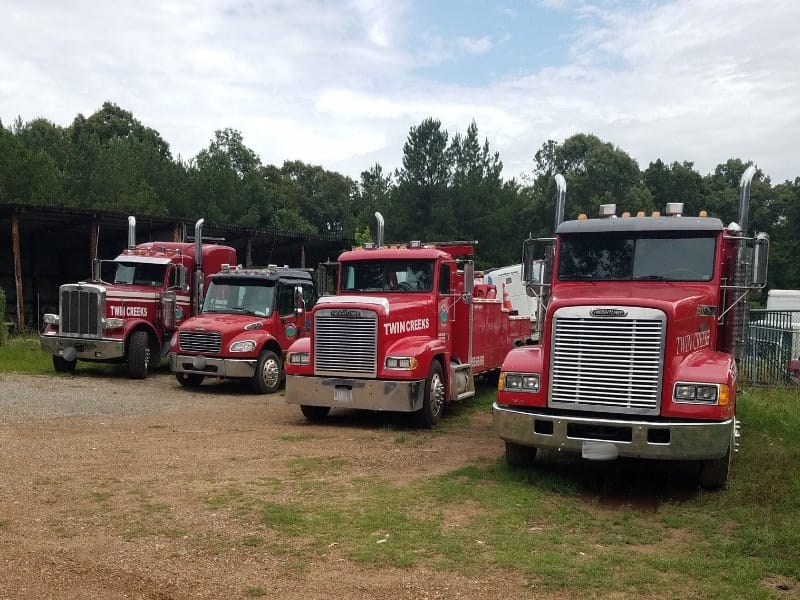
Where Twin Creeks Towing Fits Into Lincoln Heavy Towing
At Twin Creeks Towing, we end up in all kinds of situations tied to Lincoln heavy towing. Early morning breakdowns, late-night recoveries, job site pulls that don’t go as planned.
We’ve worked calls along I-20, smaller access roads near local job sites, and muddy stretches just outside town where trucks get stuck after rain. Every job looks a little different, even if the call sounds simple at first.
Lincoln heavy towing isn’t something most people think about until they need it. For us, it’s just part of the daily routine. Some days it’s quick. Other days it takes a while. Either way, there’s usually another call waiting right after.
And that’s how it goes around here.
FAQs
What kinds of vehicles require heavy-duty towing instead of a standard tow truck?
Large trucks, buses, RVs, and construction equipment usually need heavier towing. Their size and weight go beyond what a regular tow truck can handle. Even some loaded pickup trucks can fall into this category depending on the situation.
How long does it usually take to recover a large truck or trailer?
It depends on the setup and location. A simple roadside hookup might take under an hour, while a stuck or loaded vehicle can take much longer. Weather, traffic, and cargo all affect timing.
Can cargo be moved or adjusted before towing?
Yes, sometimes it has to be. If a load shifts or adds too much weight on one side, it can make towing unsafe. Crews may need to reposition or remove part of the load before moving the vehicle.
What should a driver do while waiting for a heavy tow?
Stay in a safe location away from traffic if possible. Turn on hazard lights and set out warning triangles if available. It also helps to share clear details about the situation when calling for help.
Are roadside recoveries different from towing in a lot or job site?
Very different. Roadside calls involve traffic control and limited space, while lots and job sites often have mud, slopes, or tight access points. Each one requires a different approach.
Can weather delay or change how a tow is handled?
Absolutely. Rain can soften the ground and make heavy vehicles sink, while storms can reduce visibility. Crews often have to slow things down and adjust how they work to avoid making the situation worse.