A Fleet Ready for Alabama Roads
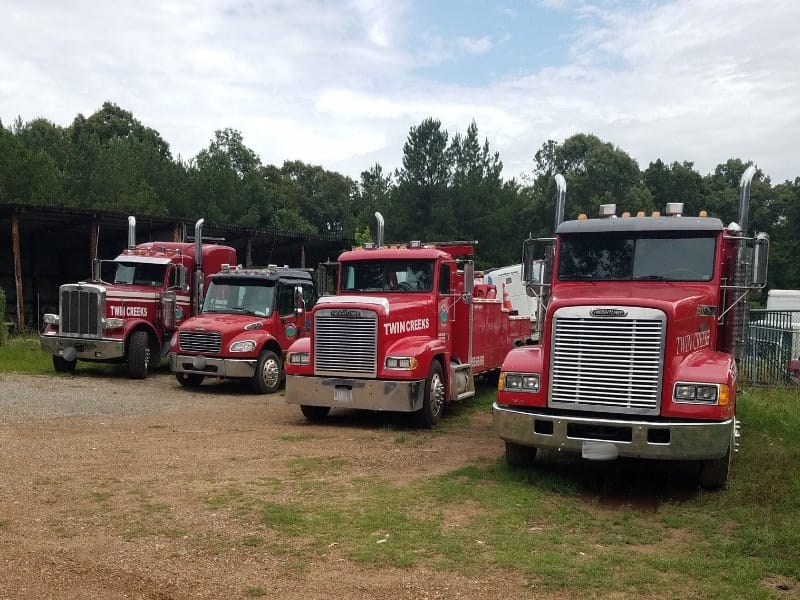
You can tell a lot about a heavy transport operation by walking through the yard before sunrise. At Twin Creeks Towing, our Pell City facility houses the equipment that handles I-20 heavy transport calls across Northeast Alabama. Rollback flatbeds sit ready for medium-duty moves, while our heavy-duty wreckers face the gate for the bigger jobs that come in from the interstate corridor.
The difference between a smooth haul and one that turns into a multi-day headache usually comes down to equipment selection. We learned this the hard way over our years serving St. Clair, Talladega, and Calhoun counties. The right combination of truck, trailer, and recovery gear makes or breaks the plan.
Matching the Wrecker to the Load
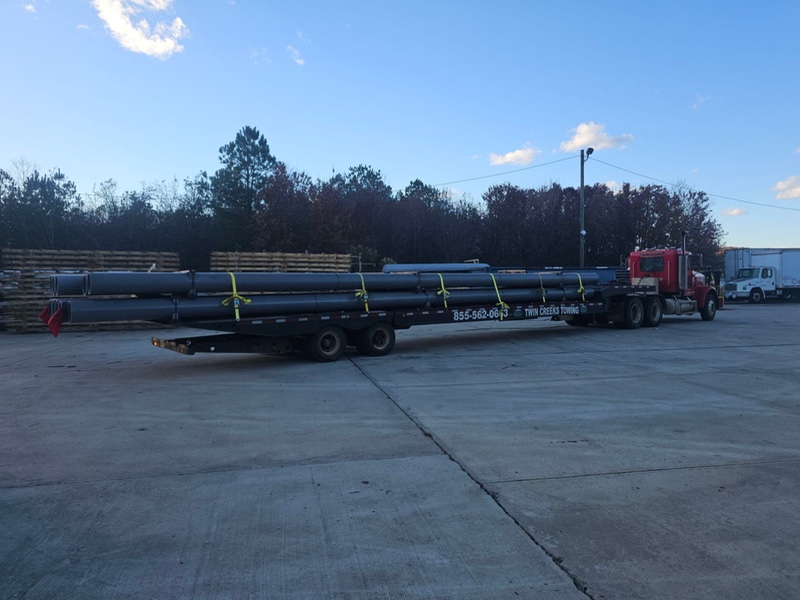
Not every heavy haul needs our biggest iron. A 15,000-pound piece of construction equipment moves fine behind a medium-duty wrecker, but a loaded excavator heading from Birmingham to Atlanta requires heavy-duty equipment with serious pulling power. Engine power and transmission gearing matter more on Alabama hills than most drivers expect. A transport that runs smooth through the flat stretches east of Oxford can bog down on the grades near Pell City without the right setup.
Trailer Selection Changes Everything
The trailer determines how the load sits on the road and what routes stay available. Here are several configurations for different I-20 heavy transport scenarios:
- Rollback flatbeds for disabled trucks and medium equipment
- Lowboys for tall loads that need extra clearance under bridges
- RGNs for self-propelled equipment that can drive on and off
- Multi-axle configurations for the heaviest industrial loads
- Slide-axle setups for tight pickup and delivery locations
A manufacturing plant moving a large press from Anniston to points west needs different equipment than a contractor hauling an excavator to a highway project. The trailer choice usually drives more of the planning than the tractor pulling it.
Securement and Loading Equipment
Chains, straps, and corner protection might not look like much in the yard, but they decide whether cargo arrives undamaged. Our loading kits include graduated tie-downs for different weight ratings, edge protectors, and specialized hardware for awkward loads. Every piece of equipment that touches a customer’s cargo must hold up until the load is safely delivered. We walk through the securement plan with customers before any equipment moves.
Recovery Gear for When Plans Change
Even well-planned I-20 heavy transport can hit trouble on Alabama roads. A blown tire on a loaded trailer, cargo that shifts and needs re-securing, or weather that puts equipment in a ditch all require recovery capability beyond basic towing. Operations that handle their own problems don’t lose days waiting for outside contractors.
Our heavy-duty wreckers and rotator equipment extend what we can handle without subcontracting work. An I-20 heavy transport crew with full recovery gear also manages its own roadside emergencies, which keeps delivery schedules realistic instead of optimistic. Weather, traffic, and mechanical issues are part of the job, we need to factor those into our transport plan.
Twin Creeks Towing Handles I-20 Heavy Transport Right
Twin Creeks Towing brings I-20 heavy transport experience and equipment to every call from our Pell City base. Our fleet includes rollback flatbeds, heavy-duty wreckers, and specialized recovery gear that covers light-duty cars through loaded semi-trucks. We serve the I-20 corridor and surrounding counties with the same straightforward approach that earned trust from Alabama State Troopers and local law enforcement.
Whether you have scheduled I-20 heavy transport or emergency recovery needs, our crew plans each job around the right equipment for the actual conditions. We have been serving Northeast Alabama since 2008, and we still approach every customer relationship like it matters for the long term. Most of our heavy transport calls come through this area multiple times per year, and those repeat relationships keep our business moving forward.
FAQs
What’s the difference between a rollback and a lowboy for heavy equipment?
A rollback tilts its entire bed to load equipment at ground level, while a lowboy sits lower but needs ramps or a crane to load non-running equipment. Rollbacks work better for disabled vehicles, and lowboys handle taller cargo that needs extra clearance under bridges.
How do you determine if a load needs permits for transport?
Permits depend on the total weight, width, height, and length of the loaded combination. Most states require permits for loads over 80,000 pounds, wider than 8.5 feet, or taller than 13.5 feet. Route restrictions and escort requirements vary by state and cargo type.
What happens if heavy transport equipment breaks down on the interstate?
Emergency repairs, tire changes, and minor adjustments can often be handled on-site. Major breakdowns may require transferring cargo to backup equipment or temporary secure storage.
Can heavy transport run at night or only during daylight hours?
Standard heavy transport can run 24 hours, but oversize loads often face daylight-only restrictions. Some states prohibit wide or tall loads during peak traffic hours or require specific timing through urban areas. Weather conditions also affect when carriers can safely move certain loads.
How far in advance should heavy transport be scheduled?
Routine heavy transport within state lines typically needs 48-72 hours notice for equipment and route planning. Multi-state moves with permits and escorts often require one to two weeks advance scheduling. Emergency recovery situations get immediate response regardless of advance notice.
What maintenance keeps heavy transport equipment reliable?
Daily pre-trip inspections, regular brake and suspension service, and preventive maintenance on hydraulic systems keep heavy equipment operational. Most carriers inspect tie-downs, winches, and loading equipment before each job. Engine and transmission service follows manufacturer intervals based on severe-duty usage.